2nd Annual Intern vs. Staff Softball Game
 Thursday, July 27, 2006, the Concerned Interns of America (CIA), better known as the Center for American Progress Interns, played some of the staff from the Center for American Progress in the 2nd Annual Intern versus Staff Softball Game. The game was scheduled to start at 5:00P.M. I had work to finish up, so the game had begun by the time I got there. This was a very exciting game. We played 9 innings, and I played in three. In one of the innings, I had a chance at bat. When I finally hit the ball, it was a pop ball and it was caught in the air and I got out. The other two of the innings, I was the catcher. I managed to be in what some people have named the play of the game. They even sent out an email about it that Friday at work. The email was sent from the CIA's spokesman. It follows below:
To offer a correction to your last email: it was 32 Staff 14 Interns. Thanks for keeping the score close, us interns were within striking distance. I think our team was another 9 innings away from winning - I'd call for a rematch, but I wouldn't be around to see it happen.
But I have to say yesterday was a huge success. 32 interns played in some capacity, and by rough estimates another 18 showed up to support making a strong showing of 50 interns at yesterday's game; dwarfing the staff side. We hit some great homeruns. Had some steller fielding plays (the Elliot Forhan ala Derek Jeter cut off then flip to JaMeese to get Trevor was the play of the game). And through 9 hard fought innings, our team stuck it out. I think the staff should know that they may have the single best group of interns in the country. Thanks for choosing us, the least we could do is let you win.
In any case, as per our agreement: the interns restore respect and integrity to the staff -- and some of us will leave today with our tails hiding between our legs.
Those leaving are Andrew Ormes, Julie Siegel, Pete Backof and myself. I think it is safe to say we have all enjoyed our time here. I've interned for four summers now and never before have I ever actually felt sad to leave; not even when I graduated from high school. It is a rarity for me. Thanks for making a lasting impression.
Always,
Keith

 As you can see from the email we lost but we put up a good fight. I'm glad I could help my team in our fight towards victory. Even though we did not win we had a really good time playing and it was a really good opportunity for us to bond with our fellow interns and some of the staff. Everyone had fun being both a participator and a spectator. I might have to join a softball team back home... It's just a thought.

All of the interns made their own shirts. It shows how resourceful and creative we are! The bottom of my shirt says "Meet Me On The Mall, It's Going Down!" We were playing on the mall. You can see the Washington Monument in some of the pictures.

posted by JaMeese at 9:40 PM
0 comments


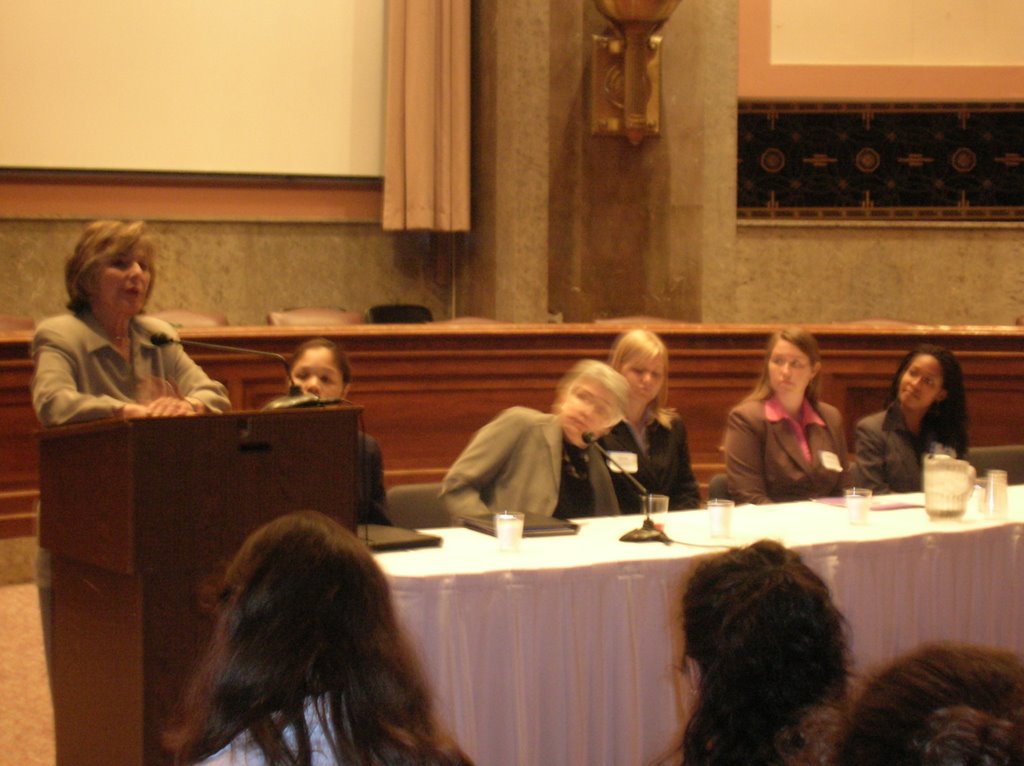
 The event was a forum on the feminization of power and a discussion of the rewards and challenges women experience while striving for leadership roles from campus to congress. "Taking the Lead: from Campus to Congress" focused on encouraging women's participation in campus, local, and national politics. The forum discussed the rewards and challenges that women face on the road to public office. Too often women are not encouraged to seek leadership on campuses and beyond. We can break through the 'glass ceiling' with positions on student government, campus newspapers, and as leaders of campus groups. Then we can use the experiences gained to spark a lifelong interest in public service and political office. Campus models where feminists have united with supportive groups to run a successful slate were also discussed. With this event, the Feminist Majority Foundation hoped to support current campaigns and launch future ones. The speakers included:
  All of the women on the panel told different stories about why they became involved with politics and/or leadership. I could really relate to the story told by Jennifer Owens. She talked about being involved with a campaign her freshman year and continued to work with the Student Association at Howard. Owens then said everyone continued to tell her that she was going to do this and that are far as leadership. She thought they were just talking. Owens later questioned herself, "If everyone else can see it in me, why can't I see it in myself?" I feel the exact same way. I am glad I got to hear her story it was beneficial to me and has helped me embrace the new responsibilities that are thrown my way!


 A wall of various signs


 When I arrived at the conference I jumped right in where ever I was needed. I helped out with registration and other things. I then went to get my badge and it had a red star to the left of my name and I was told it was there because I was speaking at the conference. After most of the people had arrived to the hotel we were able to go in the ballroom to hear the Morning Plenary. I was able to hear Adrienne Maree Brown, Executive Director of Ruckus Society and the end of Reverend Dr. James Alexander Forbes, Jr., the Senior Minister of The Riverside Baptist Church in New York. I did not get to sit in on the first panel discussion because I was helping the attendees and the people that where "manning" the tables. I also had to get ready for the Luncheon Program.


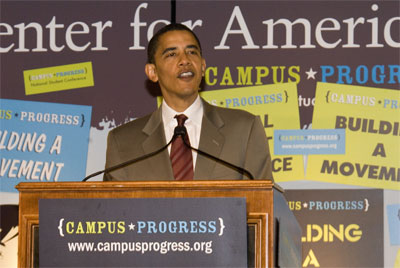



 In 1984, a young white newspaper reporter, Deborah Sykes, was raped, sodomized and stabbed to death just blocks from where she worked in Winston-Salem, NC. Base on an ID made by a former Klan member, a 19-year-old black man, Darryl Hunt, was charged. No physical evidence linked Hunt to the crime. Hunt was convicted by an all white jury, and sentenced to life imprisonment. In 1994, DNA testing cleared Hunt, yet he would spend another ten years behind bars. The film chronicles this capital case from 1984 through 2004. With personal narratives and exclusive footage from two decades, the film frames the judicial and emotional responses to this chilling crime - and the implications surrounding Hunt's conviction - against a backdrop of class and racial bias in America. This unique look at one man's loss and redemption challenges the assumption that all Americans have the right to unbiased justice.
  The panel discussion that followed the movie featured Darryl Hunt; Mark Rabil, Darryl Hunt’s attorney; Nkechi Taifa, senior policy analyst at Open Society Policy Center; and Clyde Williams, Center for American Progress. The movie was very moving. At a few points in the movie, I was brought to tears. I think everyone should watch this movie when it comes out, but especially the people who have lived in the South at one point in their lives. Being a native of North Carolina, I was shocked that I had never heard of his story. This is one reason I chose to pursue a career in the legal system, to try to make a positive impact on at least one person’s life. I know that Darryl Hunt's case is not the only case like this. During the discussion Darryl was asked about his faith and how it was strengthened throughout his prison sentence. He told the audience that his grandparents instilled Christian beliefs in him at a young age, by making him attend church every Sunday. After the screening and discussion had come to an end, I had a chance to speak to the entire panel and the director of the movie. I really enjoyed this movie and I am glad I had the privilege to view the movie before it airs on HBO.


 In the discussion brought up four key points that are needed for democracy: Level of Tolerance, between competition; Respect of the Rule of Law, a good example is Russia; Leadership, without it you can not have a democracy; Participation, the degree people get engaged/they will give a lot more. He stated that for when running for political office the "Less time, [the] more money you need". Senator Daschle then explained how a congressman is divided. The Natural, legislator (8,000 votes in 4 terms); Ambassador of your state, foreign travel and economic trade; Political Leader, encourage participation; Service to your state. As a Senator, your priorities are broken down to Washington, State and Home. Some senators' priorities fall in that order also. Senator Daschle felt that family should come first. While on the subject of family he made the following statement: "If your kids become more of a liability to society than an asset, then all the rest of it [statesmanship] doesn't matter. And you only have one shot at raising them."